Emily Balmbra (ANutr), a qualified nutritionist with an MSci & BSc in Nutrition, is passionate about the link between nutrition and performance, helping people turn evidence-based advice into practical, sustainable habits.
If your home is stocked with chocolate and sweet treats, it's the perfect time for a reminder about balance – especially if you're trying to lose weight.
Taking an overly restrictive approach can often backfire. But when the cupboards are full of chocolate and sweet treats are within easy reach, how do you keep cravings in check? And when those urges for sugary foods feel so strong that people compare them to addiction, it raises an important question: is sugar addiction actually real?
To help you navigate a chocolate stash and stay on track, nutritionist Emily explores some of the most common questions about sugar. From whether sugar is truly addictive to what cravings really mean, she also looks at food combining, blood sugar spikes, and the role of sugar alternatives when trying to lose weight. Plus, she shares practical tips to help you enjoy sweet foods while keeping a balanced approach.

Q. I often read lots of things claiming sugar is addictive, just like some drugs can be – is this true? I certainly feel like I get very strong cravings for it!
Thanks for your question – and just know you are not alone here! Cravings for sugary foods can be incredibly common. The idea that sugar may be as addictive as drugs has gotten a lot of attention in recent years, and there is a lot of confusing information on whether this is true or not.
We do know that sugar can activate the same reward systems in the brain by triggering the release of dopamine, a brain chemical linked to pleasure, motivation and reward. However, there are many enjoyable things in life that activate this same system, such as seeing friends or listening to music – but we wouldn't label these activities as harmfully addictive.
For substances to be classified as addictive, there are specific clinical criteria that must be met, including symptoms such as severe withdrawal, loss of control and continued use despite harm. Under research conditions, sugar does not meet these criteria.
It is also important to remember that sugar is not inherently harmful. Our brain relies on glucose (a form of sugar) as a primary fuel source, and naturally occurring sugars are found in many nutrient-rich foods such as fruit, vegetables, whole grains and many dairy products.
All that being said, we all know from experience how strong and real cravings for sugary foods can feel, and this is where the difference between 'addiction' and 'craving' comes in. Food high in free sugar is quickly digested and can cause rapid changes in blood sugar levels, which may leave people feeling hungry again sooner. These foods are also highly rewarding to the brain, which can reinforce cravings and make these foods easy to overeat.
The best way to manage these cravings is to focus on high-fibre, high-protein foods as the basis of meals to help support stable energy levels and satiety. Sweet foods can absolutely feature in a well-balanced diet, but they are best enjoyed occasionally alongside nutrient-rich meals rather than being a frequent choice.
Q. Is it true that eating sugary foods with other foods, for example, things high in protein, can help lessen the blood sugar response?
This is a great question – thank you. A blood sugar 'spike' is a normal part of how the body digests carbohydrates. When we eat carbohydrate-containing foods, they are broken down into glucose (sugar), which then enters the bloodstream. This happens every time we eat carbohydrates. However, high-sugar or refined carbohydrate foods digest quickly, allowing glucose to enter the bloodstream more rapidly and causing a sharper rise in blood sugar levels.
Eating high-sugar or carbohydrate-rich foods alongside nutrients like protein and fibre can slow this process. Protein and fibre take longer to digest than simple sugars, which slows stomach emptying and the overall rate of digestion. As a result, glucose is absorbed more gradually, leading to a slower and steadier rise in blood sugar levels.
It's important to understand that this slows the rate of absorption rather than reducing the total amount of sugar entering the bloodstream. The same amount of glucose will eventually be absorbed whether carbohydrates are eaten alone or with protein or fibre – it simply happens more slowly.
Fibre can be particularly helpful because it isn't fully digested by the body and can slow the release of sugars during digestion. Protein also helps by slowing stomach emptying and supporting a steadier release of glucose.
In short, protein and fibre don't prevent blood sugar rises, but they can make the increase more gradual, which may help support steadier energy levels and satiety.

Q. I'm really trying to cut down my sugar intake – are sugar-free options a good alternative?
Many people ask this when they're trying to reduce the amount of sugar in their diet, so it's a very relevant question.
Sugar-free options can be a helpful tool if you're looking to cut back on sugar or manage your weight. Many of these products use low- or no-calorie sweeteners, which provide sweetness without the sugar or extra calories. Swapping high-sugar drinks or foods for sugar-free versions may therefore help reduce overall sugar and energy intake.
However, 'sugar-free' doesn't necessarily mean a product is nutrient-rich. Foods can still be high in calories, fat or salt even if they don't contain sugar. Some sweeteners and ingredients used in sugar-free products can also have a laxative effect for some people if consumed in large amounts.
There is also emerging research suggesting a possible negative effect of sweeteners on gut health, though the evidence is currently mixed. That said, food safety authorities consider approved sweeteners safe when consumed within recommended intake levels, which are generally set well above what most people would typically consume in a day.
It's also worth remembering that you don't need to rely solely on sugar-free products to reduce your sugar intake. Gradually cutting back on added sugar in foods and drinks can help your taste preferences adjust over time. Using naturally sweet ingredients, such as fruit, can also add flavour and sweetness.
The key takeaway is that sugar-free foods and drinks can help reduce sugar and calorie intake, but they're best seen as a helpful stepping stone rather than a long-term solution.
Q. I'm trying to lose weight, but I really love chocolate and often find I can't stop once I eat a little bit. Would I be better off cutting it out completely?
Not necessarily. Completely cutting out chocolate isn't usually required for weight loss, and in some cases, it can actually make things harder.
Weight loss ultimately comes down to your overall calorie balance. As long as you're staying within your calorie target, small amounts of chocolate can still fit into your diet. A balanced diet should mainly include whole foods that are rich in beneficial nutrients such as fruits, vegetables, lean protein sources, wholegrains and foods high in healthy fats, but that doesn't mean you have to eliminate the foods you enjoy. We support the 80:20 approach – eat with the most beneficial nutrition in mind 80% of the time, and the other 20% you can simply choose the food you fancy the most.
Taking a very restrictive approach can sometimes backfire. When you label certain foods as 'off limits', it can increase cravings and make you think about them more. This can lead to feeling out of control when you eventually do have them. Cravings are different from hunger – they're a strong desire for a specific food, often when you're not actually hungry.
A more sustainable approach is moderation and planning. For example, you might choose to enjoy a small portion of chocolate during the week and include it within your calorie allowance. Planning for it can help you enjoy it without feeling guilty or losing track of your goals.
Some people also find it helpful to limit how much they keep at home. Buying a smaller portion during your weekly shop means you can still enjoy it, but once it's gone, it's gone until the next shop.
The key is finding a balanced approach that works for you. Allowing small amounts of foods you love can make weight loss feel less restrictive and more sustainable, helping you build habits that you can stick to in the long term rather than following a short-term restrictive diet.
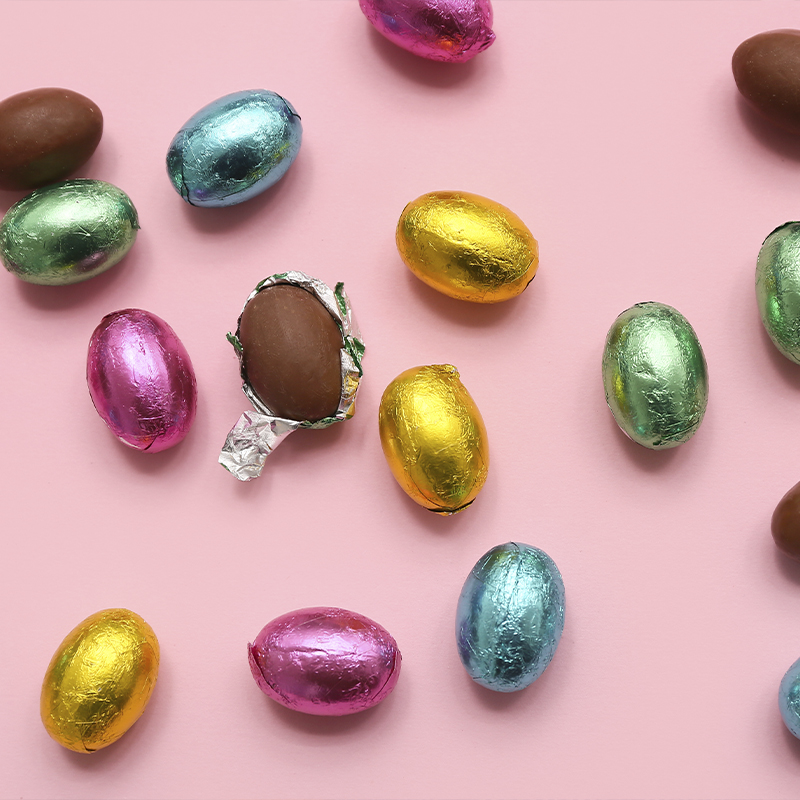
Q. There's a lot of chocolate in our house at the moment, so I'm finding I'm eating lots of it most days! Should I be concerned about eating too much sugar regularly?
Love this question! It's not uncommon to find yourself reaching for chocolate more often when there's plenty around. The good news is that enjoying a small portion most days isn't necessarily a problem. The key is simply being mindful of how much and how often you're eating it.
Chocolate contains 'free sugars'. These are sugars added to foods and drinks and differ from the natural sugars found in foods like fruit and milk. Foods containing natural sugars usually come with beneficial nutrients such as fibre, vitamins and minerals, whereas free sugars tend to add extra calories with less overall nutritional value.
Sometimes, the concern with regularly eating foods that contain lots of free sugars is that they're so easy to overconsume. Regularly consuming more calories than your body needs can lead to weight gain over time, which may increase the risk of certain health conditions.
So how much sugar is too much? For someone eating around 2,000 calories per day, the reference intake for total sugars is about 90g per day. However, it's free sugars we should be most mindful of. Current guidelines suggest free sugars should make up no more than 5% of daily calorie intake, which works out at roughly 30g (about 5 teaspoons) per day.
If you've got a lot of chocolate at home, a few simple strategies can help keep things balanced. Try portioning it out so you can enjoy a small amount each day, perhaps with a cup of tea or after a meal. Planning when you'll have it and tracking it in your food diary can help prevent the calories and sugar from quietly adding up. You could also share some with family and friends, helping it last longer while still allowing you to enjoy a treat.
Q. I've heard that dark chocolate is a better choice than milk chocolate. Is this true?
Dark chocolate is often seen as a 'better' choice compared to milk chocolate, and there is some truth in this. However, that doesn't necessarily mean we should eat it without still being mindful of portion sizes.
One of the main differences between milk and dark chocolate is the cocoa content. Dark chocolate typically contains more cocoa solids, which means it also has higher levels of flavanols – these are naturally occurring plant compounds that have been linked to potential heart-health benefits, including helping to lower blood pressure. Dark chocolate also tends to have less sugar than milk chocolate, which helps explain its slightly bitter taste and why we may find ourselves able to eat it only in small amounts.
However, it is important to keep things in perspective. Dark chocolate still contains calories, fat and sugar, and, like anything, eating too much of it can lead to us exceeding our daily calorie or sugar intake. So, while dark chocolate might have a slight nutritional edge, it is still key to be mindful of portion size!
Ultimately, if you enjoy dark chocolate, then absolutely, this is a good alternative to milk chocolate. However, the best choice is the one you enjoy and can include in moderation within your diet.